6th July 2026
Weight loss after 35 requires a different approach than in your twenties. Metabolism slows, muscle mass declines, stress and sleep affect fat loss more directly, and crash diets work worse. What actually works: strength training to preserve and build muscle, adequate protein, a moderate calorie deficit, and deliberate recovery to manage cortisol. The rules change after 35, but the results are absolutely still available.
Weight loss after 35 is one of the most common frustrations in fitness. People who maintained a healthy weight through their twenties with minimal effort suddenly find that the same approach no longer works. The diet that used to shift a few kilos in a couple of weeks produces barely visible results. The training that worked a decade ago seems to produce less. The body, it seems, has changed the rules.
It has. Understanding why helps, because how to lose weight after 35 is a different question from how to lose weight at 25, and treating them as the same question is the source of most of the frustration.
Several physiological changes occur across the mid-thirties that collectively alter how the body regulates weight. None of them make fat loss impossible. They do make the approaches that relied on high energy expenditure and easy recovery less effective.
Muscle mass begins declining at roughly one percent per year from the mid-thirties onward without active intervention. Because muscle is metabolically active tissue, this gradual loss reduces the body’s resting energy expenditure, meaning the metabolism after 35 burns fewer calories at rest. Understanding how your metabolism after 35 works is the first step to working with it rather than against it. The person who eats the same and moves the same as they did at 28 gains weight at 38 not because their habits have changed, but because their body composition has.
Hormonal changes compound this. Testosterone declines in both men and women across the mid-thirties, which reduces the anabolic signals that support muscle retention and fat mobilisation. Cortisol, the primary stress hormone, tends to run higher in people managing demanding professional lives, and elevated cortisol directly promotes fat storage particularly around the abdomen and resists fat release.
Sleep quality, which has a direct and well-documented effect on weight regulation, tends to deteriorate across this period for reasons combining career pressure, family demands, and the biological changes that affect sleep architecture with age.
The calorie restriction approach to fat loss after 35 runs into a specific problem: when you restrict calories significantly, the body responds by reducing its own energy expenditure, a process called metabolic adaptation. This effect is more pronounced when muscle mass is already lower, because there is less metabolically active tissue to maintain baseline expenditure.
Severe restriction also elevates cortisol, which, as above, promotes fat storage around the abdomen specifically. The person doing a crash diet at 37 may be simultaneously restricting calories and creating the hormonal environment most likely to retain fat. It is not psychological weakness that makes the diet fail. It is a predictable physiological response.
Losing weight after 35 requires working with these physiological realities rather than against them, which means a different approach to both training and nutrition than the one that worked in a previous decade.
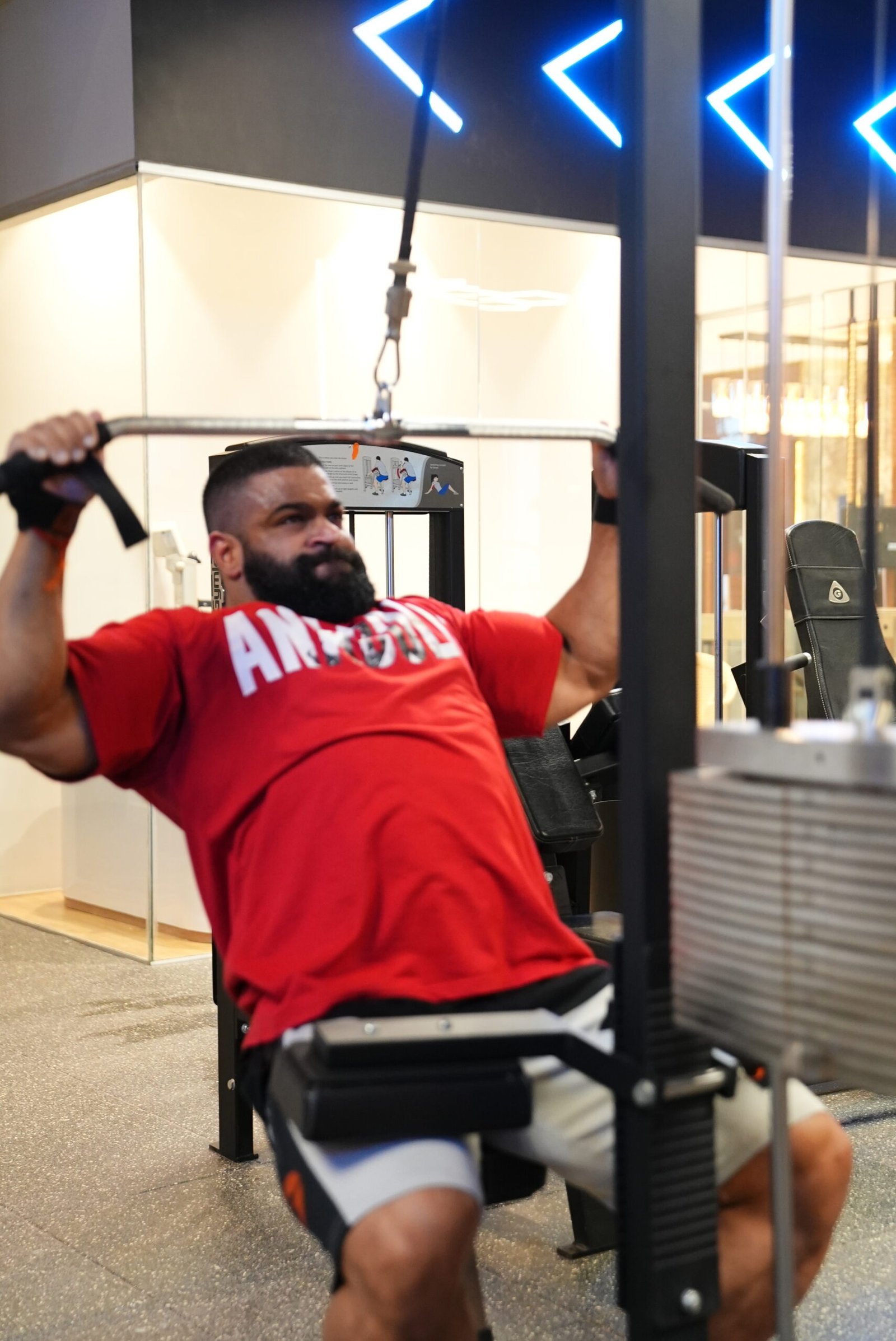
Strength training is the most important intervention available for how to lose weight after 35, for reasons that go beyond the calories burned during the session. Building and maintaining muscle reverses the metabolic slowdown that drives weight gain in this period. More muscle means a higher resting metabolic rate, which means the body burns more energy at baseline, which makes a calorie deficit easier to maintain and sustain.
Two to three well-programmed strength sessions per week, focused on compound movements, produces measurable changes in body composition in twelve weeks for most people over 35. Our 12-week body transformation plan outlines the specific structure that works.
Protein intake becomes more important than ever for fat loss after 35. The body uses protein slightly less efficiently with age, which means higher absolute intake is needed to achieve the same muscle-protective effect. Practical target: 1.6 to 2.2 grams per kilogram of bodyweight per day, spread across meals, with a good protein source at every eating occasion.
The calorie deficit for sustainable weight loss after 35 should be moderate, roughly 300 to 500 calories below maintenance, not aggressive. A moderate deficit preserves muscle, keeps cortisol manageable, and is sustainable for long enough to produce meaningful fat loss.
Here is the part of the how to lose weight after 35 conversation that most fitness content skips. Recovery and sleep are not peripheral to fat loss in this period. They are central to it.
Sleep deprivation raises ghrelin, the hunger hormone, and lowers leptin, the satiety hormone, in ways that directly undermine calorie management. It elevates cortisol, which promotes fat retention. It reduces the anabolic signalling that supports muscle maintenance. Seven to nine hours of sleep is not a lifestyle bonus for people trying to manage body composition after 35. It is a metabolic requirement.
Deliberate recovery practices address the cortisol and stress load that are so central to why fat loss after 35 is harder in a city like Mumbai. Regular sauna and steam use reduces cortisol and improves sleep quality. Cold exposure reduces inflammation and supports the hormonal environment for fat mobilisation. Deep tissue work addresses the physical tension that chronic stress locks into the body. At Fitness Extreme, Andheri West, these recovery tools are available alongside expert coaching specifically because the professionals we work with understand that managing their body composition requires managing their recovery as seriously as their training.
The kind of sustained fat loss after 35 that lasts is not produced by extreme effort followed by a return to old habits. It is produced by a modest, sustainable shift in how you train, eat, sleep, and recover, maintained consistently over months and years. The compounding effect of that consistency produces results that no intense short-term effort can match.
If you are approaching this from the starting point of never having trained seriously or having trained without the right support, read our guide on personal training in Andheri West first. The difference expert coaching makes for losing weight after 35, where the margin for error is smaller and the programming needs to be smarter, is disproportionate to the investment.
The rules change after 35. The results are still available. They just require a different strategy, one built around what actually works at this stage of life rather than what worked a decade ago.
Start your transformation with a free trial. Book a free trial at Fitness Extreme, Andheri West. Fill in the enquiry form on our contact page, WhatsApp us, or call +91 89283 44231.